Showing posts with label energy. Show all posts

Friday, 3 February 2017

The Best Vegetables to Eat for Weight Loss

Loading your plate with more veggies is a good way to drop those unwanted pounds. Veggies fill you up without a lot of calories. Plus, they're an incredible source of nutrients your body needs for good health. As far as the "best" vegetables, all veggies make healthy additions to your weight-loss plan, although the lower-calorie ones are especially good choices. If you've upped your intake of veggies and still aren't losing, consult a registered dietitian to evaluate your diet and help pinpoint potential pitfalls.


The Value of Veggies for Weight Loss

When it comes to weight loss, quantity may count more than calories, according to a 2007 study published in the American Journal of Clinical Nutrition. This study found that a group of obese women were able to eat less and lose weight by simply reducing their fat intake and eating more fruits and vegetables. Vegetables have a very low energy density -- which means they have few calories compared to their weight -- so they fill you up without putting much of a dent in your daily calorie allowance.

While eating more vegetables helps people lose weight without tracking calories, the numbers still count. Knowing how many calories you need to lose weight, and keeping tabs, is an important part of any weight-loss plan. With 3,500 calories in 1 pound of fat, you need to decrease your calorie needs by 500 calories a day to lose 1 pound a week. Use an online calorie calculator to help you estimate your calorie needs. For example, if you require 2,000 calories a day to maintain your weight, eating 1,500 calories -- 2,000 minus 500 -- a day should help you lose.

Non-starchy Veggies Are Best for Saving Calories

Of all the veggies, non-starchy ones are the lowest in calories, which makes them the best choice for weight loss. Filling your diet with these gems will surely help you lose the weight. Examples of non-starchy veggies include spinach, kale, broccoli, cauliflower, carrots, celery, cucumbers, beets, green beans, artichokes, eggplant, onions, mushrooms and peppers. Many weight-loss diets encourage you to eat as much as you like of these veggies.
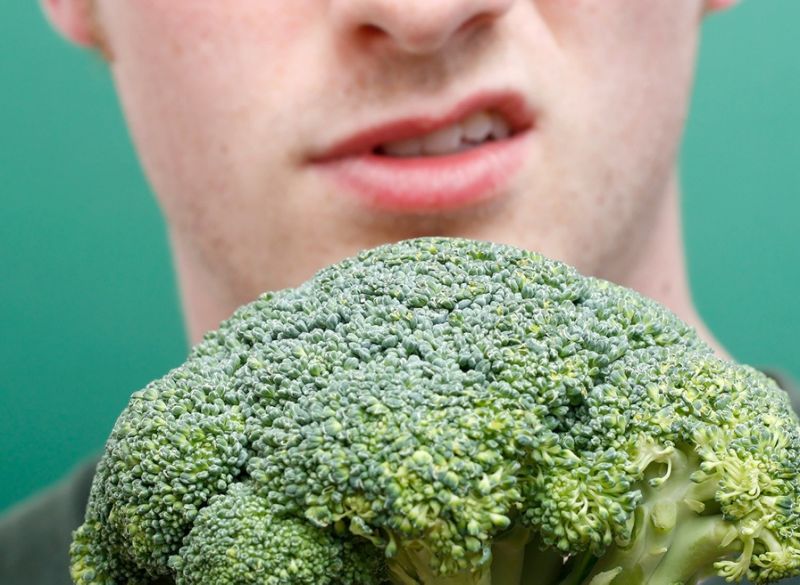

While all non-starchy veggies make good additions to any weight-loss plan, some are especially beneficial. Raw leafy greens, such as spinach, kale and lettuce, have fewer than 10 calories per cup, so you can enjoy a large salad containing 4 cups and barely tap into your daily calorie needs. Sliced cucumbers, with 16 calories per cup, also make a good choice. Beets and carrots are a little higher in calories, with 50 calories per cup raw, but they still make good options.

Not only are these watery veggies low in calories, but they're also high in fibre. And getting more fibre in your diet helps you lose weight, according to a 2015 study published in the Annals of Internal Medicine.

Starchy Veggies Are Good, Too

They may be a little higher in calories than non-starchy veggies, but the starchy ones may benefit your weight-loss efforts, too. Starchy vegetables include potatoes, peas, plantains, winter squash, sweet potatoes and corn. If your hunger is getting out of control, you may want to throw a few boiled potatoes into the mix. These filling tubers are really good at keeping hunger pangs away, according to a 1995 study published in European Journal of Clinical Nutrition. Of 38 foods tested by researchers, boiled potatoes provided the most satiety value.

One cup of boiled potatoes has 140 calories. Sweet potatoes, which are rich in fibre and vitamin A, have 180 calories in 1 cup. Cut corn has 140 calories per cup and green peas 130 calories per cup.

Eat More Beans, Peas and Lentils

Legumes, which include beans such as chickpeas and kidney beans, split peas and lentils, are so rich in nutrients they not only count as a vegetable but as a protein as well. Like potatoes, legumes also have a satiety factor. This may be due to their fibre and protein content, both of which help with weight loss, according to a 2010 article published in Advances in Nutrition. 


Legumes are a little higher in calories than starchy vegetables, but given their appetite-control benefits, they make a good choice on your weight-loss plan. One cup of cooked kidney beans has 225 calories and 1 cup of cooked lentils 230 calories. While you can eat legumes by themselves, they also work well mixed with whole grains and non-starchy veggies.

by JILL CORLEONE, RDN, LD 

http://www.livestrong.com/article/375405-the-best-vegetables-to-eat-for-weight-loss/

Saturday, 28 January 2017

8 Signs You’re Eating Too Much Sugar

Sugar is delicious. Anyone who denies that is lying. But because life is unfair, sugar, especially in copious amounts, is really bad for your health. In fact, once you learn about all the ways sugar impacts your body, it’s difficult to look at it the same way (despite knowing how heavenly it tastes).


So how do you know if you’re eating too much? Here are eight red flags your body is sending you that it’s time to cut back on the sweet stuff.

1. You constantly crave sugary things

The more sugar you eat, the more you’ll crave it. “More cravings then equal consuming more sugar—it becomes a vicious and addictive cycle,” Brooke Alpert, M.S., R.D., author of The Sugar Detox: Lose Weight, Feel Great and Look Years Younger, tells SELF. This isn’t just because your taste buds have adapted and left you needing more and more to get that same taste, but also because of how sugar gives you a high followed by a crash, just like an actual drug. “By eating a high sugar diet, you cause a hormonal response in your body that’s like a wave, it brings you up and then you crash down and it triggers your body to want more sugar.”

2. You feel sluggish throughout the day

What goes up must come down. After sugar causes an initial spike of insulin and that “high” feeling, it causes an inevitable crash. “Energy is most stable when blood sugar is stable, so when you’re consuming too much sugar, the highs and lows of your blood sugar lead to highs and lows of energy,” Alpert says. Eating a lot of sugar also means it’s likely you’re not eating enough protein and fiber, both important nutrients for sustained energy.

3. Your skin won’t stop breaking out

“Some people are sensitive to getting a spike in insulin from sugar intake, which can set off a hormonal cascade that can lead to a breakout like acne or rosacea,” Rebecca Kazin, M.D., of the Washington Institute of Dermatologic Laser Surgery and the Johns Hopkins department of dermatology, tells SELF. A sugar binge can show up on your face in just a few days. If your skin’s unruly, Kazin recommends reassessing your diet, otherwise “you may be treating skin for other issues without getting to the bottom of what’s really going on.”

4. You’re way moodier than usual

The blood sugar crash that happens when you’re coming off a sugar high can cause mood swings and leave you feeling crabby. Not to mention, if your energy is also tanking, that just contributes to a bad attitude.


5. You’ve been putting on some weight
Excess sugar is excess calories, and since it has no protein or fiber, it doesn’t fill you up (so you just keep eating it). It also triggers the release of insulin, a hormone that plays a big role in weight gain. When we eat sugar, the pancreas releases insulin, which carries sugar to our organs so it can be used for energy. When you load up on sugar, your body’s told to produce more insulin—over time, that excessive output can lead to insulin resistance. Insulin resistance means our bodies can’t respond to normal amounts of insulin properly and therefore can’t use sugar the right way. The initial weight gain from simply eating too many calories from sugar is being compounded by the disruption to your normal insulin response (there’s a link between insulin resistance and obesity). What’s more, when the pancreas works in overdrive for too long you can develop diabetes.

6. You’ve been getting more cavities

When bacteria chow down on food particles in between the teeth, acid is produced, which causes tooth decay. Our saliva maintains a healthy balance of bacteria on its own, but eating sugar can impact the pH and throw off the natural ecosystem. This gives the bacteria a chance to thrive and multiply, leading to cavities.

7. Your brain tends to get foggy, especially after a meal

This fog is a common symptom of low blood sugar. When you eat a lot of sugar, your blood sugar levels rapidly rise and fall instead of gradually doing so. “Poor blood sugar control is a major risk for cognitive issues and impairment,” says Alpert.


8. Nothing tastes as sweet as it used to
“Eating too much sugar basically bombards your taste buds,” Alpert says. “This sugar overkill causes your taste bud sugar tolerance to go up, so you need more and more sugar to satisfy that sweet craving.” When your taste buds need lots of sugar to feel like something is sweet enough, it can be tough to lower your base level. However, it you cut back and suffer through it in the beginning, you’ll eventually lower your tolerance again and be content with minimal sugar. You might even start to feel like things are too sweet for you and—gasp!—be happier consuming sugar in moderation.

Friday, 27 January 2017

How the food you eat affects your brain - Mia Nacamulli

Very clever video from Ted-Ed the power of food and the brain. The human body and what it can achieve fascinates me, let me know what you think. 

Wednesday, 25 January 2017

Liquid Gold: 7 Health Benefits Of Honey That Could Heal Your Whole Body

Honey contains a treasure chest of hidden nutritional and medicinal value for centuries. The sweet golden liquid from the beehive is a popular kitchen staple loaded with antibacterial and antifungal properties that has been used since the early days of Egyptian tombs.


Honey’s scientific super powers contribute to its vastly touted health benefits for the whole body. The healthy natural sweetener offers many nutritional benefits depending on its variety. Raw honey is the unpasteurised version of commonly used honey and only differs in its filtration, which helps extend its shelf life. A tablespoon of raw honey contains 64 calories, is fat-free, cholesterol-free, and sodium-free, says the National Honey Board. Its composition is roughly 80 percent carbohydrates, 18 percent water, and two percent vitamins, minerals, and amino acids.
Typically, honey is sweet but can be cruel to infants. Spores of Clostridium botulinum bacteria — found in dirt and dust, which can contaminate honey — may lead to infant botulism and produce a toxin inside the body that can cause muscle weakness and breathing problems. The Mayo Clinic recommends waiting until after 12 months of age to give infants honey; consumption is safe for older adults and kids, since they have a mature digestive system that can handle the spores.
Consume honey responsibly and reap the numerous health benefits of this liquid gold.

1. ALLEVIATES ALLERGIES

Honey’s anti-inflammatory effects and ability to soothe coughs has led to the belief it can also reduce seasonal allergy symptoms. Although there are no clinical studies proving its efficacy, Dr. Matthew Brennecke, a board certified naturopathic doctor practicing at the Rocky Mountain Wellness Centre in Fort Collins, Colo., told Medical Daily in an email, "A common theory is that honey acts like a natural vaccine." It contains small amounts of pollen, which if the body is exposed to small amounts of it, it can trigger an immune response that produces antibodies to the pollen. "After repeated exposure, you should build up these antibodies and the body should become accustomed to their presence so that less histamine is released, resulting in a lesser allergic response."

2. ALL-NATURAL ENERGY DRINK

Honey is an excellent source of all-natural energy at just 17 grams of carbohydrates per tablespoon. This natural unprocessed sugar — fructose and glucose — directly enter the bloodstream and can deliver a quick boost of energy. The rise in blood sugar acts as a short-term energy source for your workout, especially in longer endurance exercises.
Brennecke said there is a con to adding honey to your workout. “If your goal in exercising is to increase muscle mass, working out on an empty stomach first thing in the morning is the way to go.  When your body is in starvation mode (upon waking in morning), and you start exercising, you release insulin-like growthfactor-1 (IGF-1), which will help you build bulk,” he said. Brennecke does warn this only works when blood sugars are low.

3. BOOSTS MEMORY

The sweet nectar is loaded in antioxidants that may help prevent cellular damage and loss within the brain. A 2011 study published in Menopause found a daily spoonful of Malaysian honey may boost postmenopausal women’s memory, which can provide an alternative therapy for the hormone-related intellectual decline. After four months of taking 20 grams of honey a day, the women were more likely to have better short-term memory than their counterparts who took hormone pills.
Honey’s ability to help the body absorb calcium, according to Brennecke, helps aid brain health. The brain needs calcium in order to process thought and make decisions. “As our populations continue to get older and older, the likelihood of dementia setting in because of poor intake of vitamins and minerals continues to get higher and higher,” he said.

4. COUGH SUPPRESSANT
Honey can be the all-natural cure when it comes to pesky colds. A persistent cough that won’t go away can easily be remedied with two teaspoons of honey, according to a 2012 study published in the journal Pediatrics. Children between the ages of 1 and 5 with nighttime cough due to colds coughed less frequently when they received two teaspoons of honey 30 minutes before bed.
The golden liquid’s thick consistency helps coat the throat while the sweet taste is believed to trigger nerve endings that protect the throat from incessant coughing. Honey is believed to be as effective as the common cough suppressant ingredient dextromethorphan. It can be used in treating upper respiratory tract infections.

5. SLEEP AID

Honey can be a health aid for sleepless nights. Similar to sugar, honey can cause a rise in insulin and release serotonin — a neurotransmitter that improves mood and happiness. “The body converts serotonin into melatonin, a chemical compound that regulates the length and the quality of sleep,” Rene Ficek, registered dietitian and lead dietitian nutritionist at Seattle Sutton's Healthy Eating in Chicago, Ill., told Medical Daily in an email.
Moreover, honey also contains several amino acids, including tryptophan that is commonly associated with turkey. Honey’s steady rise in insulin, according to Brennecke, causes the tryptophan in honey to enter the brain, where it’s then converted into serotonin and then into melatonin, which is a sleep aid. This hormone is responsible for regulating sleep and wake cycles.

6. TREATS DANDRUFF

Honey can bring temporary relief to the scalp by targeting dandruff. A 2001 study published in the European Journal of Medical Research found applying honey diluted with 10 percent warm water to problem areas and leaving it on for three hours before rinsing led to itch relief and no scaling within a week. Skin lesions healed within two weeks and patients even showed an improvement in hair loss. The patients did not relapse even after six months of use.
Thanks to honey's antibacterial and antifungal properties, it can also treat seborrheic dermatitis and dandruff, which are often caused by an overgrowth of fungus. Moreover, “honey also has anti-inflammatory properties, which address the redness and itching on the scalp,” Brennecke said.

7. TREATS WOUNDS AND BURNS

Honey is a natural antibiotic that can act both internally and externally. It can be used as a conventional treatment for wounds and burns by disinfecting wounds and sores from major species of bacteria such as methicillin resistant Staphylococcus aureus (MRSA). A 2005 study published in the British Journal of Surgeryfound all but one of patients who suffered from wounds and leg ulcers showed remarkable improvement after applying a topical application of honey.
Dr. Diane Radford, a breast surgical oncologist in St. Louis, Mo., told Medical Daily in an email, Manuka honey has antibacterial properties for wound healing. “The precursor for the active antibacterial agent methylglyoxal (MGO) comes from the nectar of mānuka trees. A specialized research unit at the University of Waikato is looking into the conversion to the active product,” she said.
Honey has been utilized for its medicinal properties for over 2,000 years and continues its legacy as a multipurpose health aid.
http://www.medicaldaily.com/liquid-gold-7-health-benefits-honey-could-heal-your-whole-body-325932

Saturday, 21 January 2017

Stress Is Ruining Your Fitness

Training really comes down to one thing: stress management. In the gym you add stress to try to push your body to a new level. Outside the gym, you do everything you can to alleviate the stress imposed in the gym.


When you achieve the right balance, you get what is called super-compensation, or training adaptation. When it’s wrong, you get over-reaching, which could make you too fatigued to train hard enough to stimulate change. If you go even further down the wrong track, you end up with over-training, which can lead to a near total system shut down.

Stress Is Stress 

Most people only look at the training performed in the gym or on the track when assessing levels of fatigue. However, the body doesn’t differentiate between mental, emotional, or physical stress. As far as the systems of the body are concerned, stress is stress.

That time your boss dropped a big pile of work on your desk that had to be done before you left the office was just as traumatic for your body as a max effort squat day. So the last thing you should be doing if you’ve just had one of those days is head to the gym and max out. This seems counter-intuitive. When you have a bad day, it’s natural to want to take out that aggression in the gym and let off some steam. But when you do, you’ve essentially had what amounts to two max effort sessions in the same day, as far as your body is concerned.

Types of stress.
From Joel Jamieson’s, Certified Conditioning Coach manual. 

Stress In The Gym

Before we get to the actual stress-management solutions you can accomplish at home, let’s discuss some of the problems with most gym training models. Like it or not, anaerobic training produces the same type of energy seen in our fight-or-flight responses. It has to, because we need it to help us run away from predators for survival. But all that energy being produced so quickly has a damaging effect on your body. It is highly inflammatory, just like your stress-filled days at the office.

This is where movement quality comes into the picture. Movement quality has both a physical and a mental component. The energy systems and connective tissue are the bodily components, but they are driven by the autonomic nervous system and motor control, which are managed by the brain. The role of the nervous system is to perceive threat through the use of all of your senses and is linked to motor output functions (such as speed and power), and these functions are linked to your motor control.

The sympathetic nervous system drives extension-based postures and activities, such as running and jumping, as well as most lifts. In other words, it is your fight-or-flight posture and supports higher force activities. However, as motor control is based on threat perception, an over use of both this system and these postures results in negative changes in motor control. These changes to motor control lead to higher levels of fatigue. Those higher levels of fatigue lead to less movement variability – you become more robotic – and that leads to more injuries. In other words, spending too much time in your fight-or-flight postures performing high-force activities leads to greater likelihood of injury. What can you do to fix all this?

Protect Your Body From Threat 

The body perceives new activities as a threat. This applies whether it is a new load, new exercise, or a new distance – they will all be viewed the same way by the body. That drives you straight into your fight-or-flight system and instantly turns what is meant to be an educational session into something that is perceived by the body to be a maximum effort. So we need to slowly introduce new stressors to training. This is precisely why you shouldn’t learn the barbell snatch on day one in a gym. There are just too many things that are new if you’re not familiar with barbells and weightlifting.


As movement quality improves at each level, the first step is to add load. Once that step has stagnated then you can seek to add complexity – perhaps going from a hang power snatch to a power snatch. Once that has settled you can seek to add fatigue by adding volume before starting in on the next progression. The basic format is to add intensity, then complexity, before adding capacity.

Balance Your Stress Level

But don’t forget, new movements cause stress. To counteract all that stress you need training methods that soothe the body and allow your system to reset. For example, a day where you learn new moves should finish with an easy aerobic cool down to return the body to a suitable resting state that is responsive to training. Just as your warm up should prepare you for stress, your cool down should ready you to absorb the stress. And that is best done with a settled mind and body.

But all that could change if you chose the wrong recovery format. I’ve known beach volleyballers who weren’t great swimmers choose to go swimming for recovery the day after a tournament. Unfortunately, their bodies didn’t agree that it would be easy, so what should have been an easy session smashed them further. Walking in cool water might be a great choice for you, but unless you’re actually a good swimmer there’s not much chance that swimming will be a good recovery session.

Remember, if your body perceives a threat then it will react as if under threat with that same fight-or flight-response. Next thing you know, you’ve turned your recovery session into another hard session and your system will be depressed even more.

What Activities Are Best?

Some activities lend themselves better to recovery than others. Here are three I recommend:

Flexion-Based Postures: 
The parasympathetic nervous system features flexion-based postures. Activities like cycling and rowing make for far better choices than running, as it is extension based. Have you ever wondered why yoga has such a settling effect on the body? All that time spent in downward dog, a flexion-based posture, has a deep-seated link to promoting calmness within the body and mind.

Breathing: 
The quickest, cheapest, and easiest way to influence the parasympathetic system is to focus on respiratory function. Methods such as FMS have had highly successful results from exercises as simple as crocodile breathing. I have had clients who have found huge improvements for shoulder pain after five minutes of targeted breathing practice, combined with education about how to recognize and manage signs of stress.


Meditation: 
My good friend Chris Holder has done some interesting studies on using guided meditation to reduce stress among his Division 1 athletes. He and his colleagues found that following a daily guided meditation made up for poor sleep and dietary habits often seen in college athletes burning the candle at both ends. In my experience, the best time to perform this is before bed so that sleep quality is enhanced. Omvana is a free app that guides you through a twenty-minute series designed to relax the body and mind.

Train and Recover Smart

Once you’ve got your recovery figured out, the final step is monitoring training intensity and frequency. Most people can’t handle more than two or three hard sessions per week, and the days between should be filled with active recovery to stimulate the system, not further deplete or stress it.

The goal of training is to improve the body, not test its limits. Focus on adding guided meditation and focused breathing work, as well as aerobic recoveries and cool downs, and you will be surprised at how much better your body feels.

By Andrew Read