

Showing posts with label sleep. Show all posts
Showing posts with label sleep. Show all posts
Tuesday, 31 January 2017
Muscle Soreness and Recovery Tips - Relieve Muscles FAST!
Some basic and simple tips on recovery tips and how to deal with the dreaded muscle DOMS.
What do you do to recover? leave a comment below and let me know.

Friday, 27 January 2017
💪🏼 Carrots The Super Food 💪🏼
I am sure that I was not alone, growing up I was told that eating my carrots would make me see in the dark. So as a child I didn't need much encouragement to eat them all, with ideas conjuring in my mind of having night vision abilities. While I don't know if this made my night vision any better, I am glad that I ate them now understanding the real benefits of these crunchy orange super veg.
Forget about vitamin A pills. Carrots provide vitamin A and a host of other impressive health benefits including beautiful skin, cancer prevention and anti aging. Learn how to reap the benefits from this crunchy power food.

"The brighter the hue, the better the carrot"
1 cup of chopped, raw carrots contains:
- 52 calories
- 1 g protein
- 12 g carbs
- 3.6 g fiber
- 0 g fat
High levels of both Beta-Carotene & Alpha-Carotene. Both alpha carotene and beta carotene are important for the prevention of vitamin A deficiency, which could lead to blindness. These carotenes serve as powerful antioxidants. They also appear to boost the immune system, and help the body fight against foreign agents such as bacteria and viruses. Thats without mentioning the other vitamins D through K.
How To Eat Carrots

The nutrients in carrots are tightly encased in protein sacs that have to be broken by heat (cooking) or mechanical action (grinding, juicing, proper chewing).
Cooking the carrots in fat or oils, pureeing or juicing them increases the availability of carotenoids by 600 percent.
Fats also help the absorption of carotenoids into the blood by 1,000 percent, as carotenoids are fat soluble, so pour a little olive oil on top!
Not already sold? 11 more Reasons why you should be eating carrots
1. Improves vision
There’s some truth in the old wisdom that carrots are good for your eyes. Carrots are rich in beta-carotene, which is converted into vitamin A in the liver. Vitamin A is transformed in the retina, to rhodopsin, a purple pigment necessary for night vision.
Beta-carotene has also been shown to protect against macular degeneration and senile cataracts. A study found that people who eat large amounts of beta-carotene had a 40 percent lower risk of macular degeneration than those who consumed little.
2. Helps prevent cancer
Studies have shown carrots reduce the risk of lung cancer, breast cancer and colon cancer.
Falcarinol is a natural pesticide produced by the carrot that protects its roots from fungal diseases. Carrots are one of the only common sources of this compound. A study showed 1/3 lower cancer risk by carrot-eating rats.

3. Slows down ageing
The high level of beta-carotene in carrots acts as an antioxidant to cell damage done to the body through regular metabolism. It help slows down the ageing of cells.
4. Promotes healthier skin
Vitamin A and antioxidants protect the skin from sun damage. Deficiencies of vitamin A cause dryness to the skin, hair and nails. Vitamin A prevents premature wrinkling, acne, dry skin, pigmentation, blemishes and uneven skin tone.
5. Helps prevent infection
Carrots are known by herbalists to prevent infection. They can be used on cuts—shredded raw or boiled and mashed.
6. Promotes healthier skin (from the outside)
Carrots are used as an inexpensive and very convenient facial mask. Just mix grated carrot with a bit of honey.
7. Prevents heart disease
Studies show that diets high in carotenoids are associated with a lower risk of heart disease. Carrots have not only beta-carotene but also alpha-carotene and lutein.
The regular consumption of carrots also reduces cholesterol levels because the soluble fibers in carrots bind with bile acids.
8. Cleanses the body
Vitamin A assists the liver in flushing out the toxins from the body. It reduces the bile and fat in the liver. The fiber present in carrots helps clean out the colon and hasten waste movement.
9. Protects teeth and gums
It’s all in the crunch! Carrots clean your teeth and mouth. They scrape off plaque and food particles just like toothbrushes or toothpaste. Carrots stimulate gums and trigger a lot of saliva, which, being alkaline, balances out the acid-forming, cavity-forming bacteria. The minerals in carrots prevent tooth damage.

10. Prevents stroke
From all the above benefits it’s no surprise that in a Harvard University study, people who ate five or more carrots a week were less likely to suffer a stroke than those who ate only one carrot a month or less.
11. Sleep
In the Pennsylvania University study they found that consumption of the nutrient alpha-carotene was most closely associated with better sleep. Diets low in this nutrient were linked with trouble falling asleep. Gram for gram, carrots are the most potent sources of alpha carotene, behind canned pumpkin.
Canned carrots, carrot juice, raw baby carrots, frozen carrots and raw regular carrots are all excellent sources of this powerful carotenoid. Carrots also pack several other sleep promoting nutrients like potassium and vitamin B6, as well as vitamin A and biotin.
Wednesday, 25 January 2017
Liquid Gold: 7 Health Benefits Of Honey That Could Heal Your Whole Body
Honey contains a treasure chest of hidden nutritional and medicinal value for centuries. The sweet golden liquid from the beehive is a popular kitchen staple loaded with antibacterial and antifungal properties that has been used since the early days of Egyptian tombs.

Honey’s scientific super powers contribute to its vastly touted health benefits for the whole body. The healthy natural sweetener offers many nutritional benefits depending on its variety. Raw honey is the unpasteurised version of commonly used honey and only differs in its filtration, which helps extend its shelf life. A tablespoon of raw honey contains 64 calories, is fat-free, cholesterol-free, and sodium-free, says the National Honey Board. Its composition is roughly 80 percent carbohydrates, 18 percent water, and two percent vitamins, minerals, and amino acids.
Typically, honey is sweet but can be cruel to infants. Spores of Clostridium botulinum bacteria — found in dirt and dust, which can contaminate honey — may lead to infant botulism and produce a toxin inside the body that can cause muscle weakness and breathing problems. The Mayo Clinic recommends waiting until after 12 months of age to give infants honey; consumption is safe for older adults and kids, since they have a mature digestive system that can handle the spores.
Consume honey responsibly and reap the numerous health benefits of this liquid gold.
1. ALLEVIATES ALLERGIES
Honey’s anti-inflammatory effects and ability to soothe coughs has led to the belief it can also reduce seasonal allergy symptoms. Although there are no clinical studies proving its efficacy, Dr. Matthew Brennecke, a board certified naturopathic doctor practicing at the Rocky Mountain Wellness Centre in Fort Collins, Colo., told Medical Daily in an email, "A common theory is that honey acts like a natural vaccine." It contains small amounts of pollen, which if the body is exposed to small amounts of it, it can trigger an immune response that produces antibodies to the pollen. "After repeated exposure, you should build up these antibodies and the body should become accustomed to their presence so that less histamine is released, resulting in a lesser allergic response."

2. ALL-NATURAL ENERGY DRINK
Honey is an excellent source of all-natural energy at just 17 grams of carbohydrates per tablespoon. This natural unprocessed sugar — fructose and glucose — directly enter the bloodstream and can deliver a quick boost of energy. The rise in blood sugar acts as a short-term energy source for your workout, especially in longer endurance exercises.
Brennecke said there is a con to adding honey to your workout. “If your goal in exercising is to increase muscle mass, working out on an empty stomach first thing in the morning is the way to go. When your body is in starvation mode (upon waking in morning), and you start exercising, you release insulin-like growthfactor-1 (IGF-1), which will help you build bulk,” he said. Brennecke does warn this only works when blood sugars are low.
3. BOOSTS MEMORY
The sweet nectar is loaded in antioxidants that may help prevent cellular damage and loss within the brain. A 2011 study published in Menopause found a daily spoonful of Malaysian honey may boost postmenopausal women’s memory, which can provide an alternative therapy for the hormone-related intellectual decline. After four months of taking 20 grams of honey a day, the women were more likely to have better short-term memory than their counterparts who took hormone pills.
Honey’s ability to help the body absorb calcium, according to Brennecke, helps aid brain health. The brain needs calcium in order to process thought and make decisions. “As our populations continue to get older and older, the likelihood of dementia setting in because of poor intake of vitamins and minerals continues to get higher and higher,” he said.

4. COUGH SUPPRESSANT
Honey can be the all-natural cure when it comes to pesky colds. A persistent cough that won’t go away can easily be remedied with two teaspoons of honey, according to a 2012 study published in the journal Pediatrics. Children between the ages of 1 and 5 with nighttime cough due to colds coughed less frequently when they received two teaspoons of honey 30 minutes before bed.
The golden liquid’s thick consistency helps coat the throat while the sweet taste is believed to trigger nerve endings that protect the throat from incessant coughing. Honey is believed to be as effective as the common cough suppressant ingredient dextromethorphan. It can be used in treating upper respiratory tract infections.
5. SLEEP AID
Honey can be a health aid for sleepless nights. Similar to sugar, honey can cause a rise in insulin and release serotonin — a neurotransmitter that improves mood and happiness. “The body converts serotonin into melatonin, a chemical compound that regulates the length and the quality of sleep,” Rene Ficek, registered dietitian and lead dietitian nutritionist at Seattle Sutton's Healthy Eating in Chicago, Ill., told Medical Daily in an email.
Moreover, honey also contains several amino acids, including tryptophan that is commonly associated with turkey. Honey’s steady rise in insulin, according to Brennecke, causes the tryptophan in honey to enter the brain, where it’s then converted into serotonin and then into melatonin, which is a sleep aid. This hormone is responsible for regulating sleep and wake cycles.
6. TREATS DANDRUFF
Honey can bring temporary relief to the scalp by targeting dandruff. A 2001 study published in the European Journal of Medical Research found applying honey diluted with 10 percent warm water to problem areas and leaving it on for three hours before rinsing led to itch relief and no scaling within a week. Skin lesions healed within two weeks and patients even showed an improvement in hair loss. The patients did not relapse even after six months of use.
Thanks to honey's antibacterial and antifungal properties, it can also treat seborrheic dermatitis and dandruff, which are often caused by an overgrowth of fungus. Moreover, “honey also has anti-inflammatory properties, which address the redness and itching on the scalp,” Brennecke said.

7. TREATS WOUNDS AND BURNS
Honey is a natural antibiotic that can act both internally and externally. It can be used as a conventional treatment for wounds and burns by disinfecting wounds and sores from major species of bacteria such as methicillin resistant Staphylococcus aureus (MRSA). A 2005 study published in the British Journal of Surgeryfound all but one of patients who suffered from wounds and leg ulcers showed remarkable improvement after applying a topical application of honey.
Dr. Diane Radford, a breast surgical oncologist in St. Louis, Mo., told Medical Daily in an email, Manuka honey has antibacterial properties for wound healing. “The precursor for the active antibacterial agent methylglyoxal (MGO) comes from the nectar of mānuka trees. A specialized research unit at the University of Waikato is looking into the conversion to the active product,” she said.
Honey has been utilized for its medicinal properties for over 2,000 years and continues its legacy as a multipurpose health aid.
By
Sunday, 22 January 2017
Why Sleep Is the No. 1 Most Important Thing for a Better Body
Even with the very best diet and fitness routine, if sleep is off, you're wrecked.
Here's why!

Imagine two women you know: One is your model of fitness success (She clearly knows how to slim down correctly and has the body to show for it), and the other is what you fear. This friend has her heart in the right place, but no matter how hard she works, she still struggles with the process and doesn’t have the body she wants. The troubling part is that when you talk to both, they share a common approach:
1. They eat meals that focus on lean protein and vegetables.
2. They exercise at least three times per week, focusing on both weights and cardio.
3. They know which foods are truly healthy and which they need to limit—and they do.
2. They exercise at least three times per week, focusing on both weights and cardio.
3. They know which foods are truly healthy and which they need to limit—and they do.
And yet one friend—the one who continues to struggle—can’t maintain her focus. She has trouble controlling her hunger, always craves sweets, and, despite her biggest efforts in the gym, she doesn’t seem to achieve the same results as someone else following the same program.
The problem might seem obvious at first. After all, one woman strays from her diet more than the other. And if exercise “isn’t working,” it probably means she just doesn’t really know how to train.
Maybe it’s genetics. Maybe she’s lazy or lacks willpower. Or maybe, diet or exercise isn’t the real problem.
Sleep Controls Your Diet
The debate about the best way to achieve a healthy weight always revolves around eating and movement. If you want to look better, the most common suggestion is “eat less and move more.” But it’s not that simple, or even accurate. Sometimes you want to eat less and move more, but it seems impossible to do so. And there might be a good reason: Between living your life, working, and exercising, you’re forgetting to sleep enough. Or maybe, more importantly, you don’t realise that sleep is the key to being rewarded for your diet and fitness efforts. According to the Centers for Disease Control and Prevention, more than 35 percent of people are sleep deprived. And when you consider that the statistic for obesity is nearly identical, it’s easy to connect the dots and discover that the connection is not a coincidence.
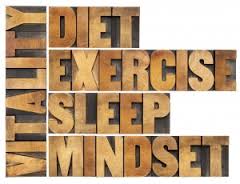
Not sleeping enough—less than seven hours of sleep per night—can reduce and undo the benefits of dieting, according to research published in the Annals of Internal Medicine. In the study, dieters were put on different sleep schedules. When their bodies received adequate rest, half of the weight they lost was from fat. However when they cut back on sleep, the amount of fat lost was cut in half—even though they were on the same diet. What’s more, they felt significantly hungrier, were less satisfied after meals, and lacked energy to exercise. Overall, those on a sleep-deprived diet experienced a 55 percent reduction in fat loss compared to their well-rested counterparts.
Poor Sleep Changes Your Fat Cells
Think about the last time you had a bad night of sleep. How did you feel when you woke up? Exhausted. Dazed. Confused. Maybe even a little grumpy? It’s not just your brain and body that feel that way—your fat cells do too. When your body is sleep deprived, it suffers from “metabolic grogginess.” The term was coined by University of Chicago researchers who analysed what happened after just four days of poor sleep—something that commonly happens during a busy week. One late night at work leads to two late nights at home, and next thing you know, you’re in sleep debt.
But it’s just four nights, so how bad could it be? You might be able to cope just fine. After all, coffee does wonders. But the hormones that control your fat cells don’t feel the same way.
Within just four days of sleep deprivation, your body’s ability to properly use insulin (the master storage hormone) becomes completely disrupted. In fact, the University of Chicago researchers found that insulin sensitivity dropped by more than 30 percent.
Here's why that's bad: When your insulin is functioning well, fat cells remove fatty acids and lipids from your blood stream and prevent storage. When you become more insulin resistant, fats (lipids) circulate in your blood and pump out more insulin. Eventually this excess insulin ends up storing fat in all the wrong places, such as tissues like your liver. And this is exactly how you become fat and suffer from diseases like diabetes.
Lack of Rest Makes You Crave Food
Many people believe that hunger is related to willpower and learning to control the call of your stomach, but that's incorrect. Hunger is controlled by two hormones: leptin and ghrelin.
Leptin is a hormone that is produced in your fat cells. The less leptin you produce, the more your stomach feels empty. The more ghrelin you produce, the more you stimulate hunger while also reducing the amount of calories you burn (your metabolism) and increasing the amount fat you store. In other words, you need to control leptin and ghrelin to successfully lose weight, but sleep deprivation makes that nearly impossible. Research published in the Journal of Clinical Endocrinoloy and Metabolism found that sleeping less than six hours triggers the area of your brain that increases your need for food while also depressing leptin and stimulating ghrelin.

If that’s not enough, the scientists discovered exactly how sleep loss creates an internal battle that makes it nearly impossible to lose weight. When you don’t sleep enough, your cortisol levels rise. This is the stress hormone that is frequently associated with fat gain. Cortisol also activates reward centers in your brain that make you want food. At the same time, the loss of sleep causes your body to produce more ghrelin. A combination of high ghrelin and cortisol shut down the areas of your brain that leave you feeling satisfied after a meal, meaning you feel hungry all the time—even if you just ate a big meal.
And it gets worse.
Lack of sleep also pushes you in the direction of the foods you know you shouldn’t eat. A study published in Nature Communications found that just one night of sleep deprivation was enough to impair activity in your frontal lobe, which controls complex decision-making.
Ever had a conversation like this?
“I really shouldn’t have that extra piece of cake… then again, one slice won’t really hurt, right?”
Turns out, sleep deprivation is a little like being drunk. You just don’t have the mental clarity to make good complex decisions, specifically with regards to the foods you eat—or foods you want to avoid. This isn’t helped by the fact that when you’re overtired, you also have increased activity in the amygdala, the reward region of your brain. This is why sleep deprivation destroys all diets; think of the amygdala as mind control—it makes you crave high-calorie foods. Normally you might be able to fight off this desire, but because your insular cortex (another portion of your brain) is weakened due to sleep deprivation, you have trouble fighting the urge and are more likely to indulge in all the wrong foods.
And if all that wasn’t enough, research published in Psychoneuroendocrinology found that sleep deprivation makes you select greater portion sizes of all foods, further increasing the likelihood of weight gain.
The bottom line: Not enough sleep means you’re always hungry, reaching for bigger portions, and desiring every type of food that is bad for you—and you don’t have the proper brain functioning to tell yourself, “No!”
Sleep Sabotages Gym Time
Unfortunately the disastrous impact spreads beyond diet and into your workouts. No matter what your fitness goals are, having some muscle on your body is important. Muscle is the enemy of fat—it helps you burn fat and stay young. But sleep (or lack thereof) is the enemy of muscle. Scientists from Brazil found that sleep debt decreases protein synthesis (your body’s ability to make muscle), causes muscle loss, and can lead to a higher incidence of injuries.

Just as important, lack of sleep makes it harder for your body to recover from exercise by slowing down the production of growth hormone—your natural source of anti ageing and fat burning that also facilitates recovery. This happens in two different ways:
1. Poor sleep means less slow wave sleep, which is when the most growth hormone is released.
2. As previously mentioned, a poor night of rest increases the stress hormone cortisol, which slows down the production of growth hormone. That means that the already reduced production of growth hormone due to lack of slow wave sleep is further reduced by more cortisol in your system. It’s a vicious cycle.
If you're someone who doesn't particularly enjoy exercise, not prioritizing sleep is like getting a physical examine with your father-in-law as the investigating physician: It will make something you don’t particularly enjoy almost unbearable. When you’re suffering from slept debt, everything you do feels more challenging, specifically your workouts.
The Better Health Secret: Prioritise Sleep
The connection between sleep and weight gain is hard to ignore. Research published in the American Journal of Epidemiology found that women who are sleep deprived are a third more likely to gain 33 pounds over the next 16 years than those who receive just seven hours of sleep per night. And with all of the connections to obesity, diabetes, high blood pressure, heart failure, and cognitive failure, the need to sleep goes far beyond just looking better and seeing results from your diet and exercise efforts.
While there’s no hard number that applies to all people, a good rule of thumb is to receive between seven and nine hours of sleep per night, and to make sure that one poor night of sleep isn’t followed up with a few more. It might not seem like much, but it could make all the difference and mean more than any other health decision you make.
Thursday, 12 January 2017
How to Wake Up Feeling Wonderful!
The key to feeling good all day is to wake up feeling well-rested and refreshed. And the key to that top-of-the-world feeling in the morning is to get a good night's sleep.

Unfortunately, sleep, like love, never seems to come when we desperately want it. But it helps to know what contributes to a full quota of those 40 winks... and what can doom you to another bout of wide-eyed wakefulness.
Here, from the experts, are well-tested tips on how to get good night's sleep... and what to do if you don't.
We'll call him John, but his mornings could be uncannily like yours. As the alarm buzzer t-r-I-n-g-s into his consciousness, John stretches out a sleepy hand, depresses the button... and hits the pillow again. Most mornings he has to make three attempts before he can drag himself out of bed. After dragging himself again through the brushing-shaving-bathing-breakfast routine, he gets into his clothes without much enthusiasm or energy. When he finally does make it to his office, more often than not, he's already feeling depressed and defeated. The work load has been piling up for weeks, and he's just wasted a good part of another day.
Natasha could also be another 'you'. Natasha gets up of bright and early, but she doesn't feel bright at all. The only reason she's up at dawn is because she has no other choice. The children have to be packed off early to school; her husband's tiffin lunch has to be prepared. When the kids and her husband have left, Natasha, already feeling sapped and drained, stretches out on the bed to rest - and ends up actually sleeping for another hour or so.
But if John and Natasha - and you - could beat the morning blahs, the rest of your day would be more pleasant as well as more productive. The best way to begin is to make sure you get the right amount of restful sleep (what's right varies for everybody, but is between 7 and 8 hours for most).
Develop a routine you can stick to
Your body sleep will sleep well through the night if it's well synchronised. How do you achieve that? By keeping regular hours, rising and retiring at the same time everyday. Avoid the trap of weekend naps - sleeping till noon on Saturdays/Sundays. That will disrupt your internal clock and your sleep cycle and you'll wind up losing more rest than you gain.
Support yourself
The wrong type of mattress or worn-out springs can result in tossing and turning - every night. When you buy your mattress, be very selective - if it's too hard, your body could be fighting to relieve uncomfortable pressure at the shoulders and hips. Too soft, and you may be putting your spine into positions it was not designed for.
Also, remember that you need to replace your mattress/springs when they have outlived their usefulness - if they're 8-10 years old, they're probably not giving you the right support or comfort.
Exercise - but at the right time
 Avoid really strenuous exercise right before bedtime. Instead of wearing you out, it's more likely to invigorate your body.
Because it takes your body several hours to cool down after exercise, working out in the early evening is best - when your body temperature drops, you'll begin to feel drowsy.
Watch what you eat
Heavy or spicy meals late in the day will make your digestive system balk during the night as your digestion is forced to work overtime.
On the other hand, a starved body can also register complaints during the night, so, don't decide to skip dinner to make up for the mid-day snacking you indulged in.
Avoid stimulants like caffeine
Caffeine can stay in the system for many hours after your last sip of coffee, tea or cola. It's a stimulant that can prevent restful sleep and keep you awake - so, avoid it, especially in the late evening and night. If you are especially sensitive to the effects of caffeine, drastically limit your intake at all the times. (Many over-the-counter drugs contain caffeine - and, do not forget, so does chocolate!)
Alcohol is tricky too
While alcohol may relax you at bedtime and help you get to sleep, you may wake a few hours later with a pounding heart, a dry mouth and an aching head. And thereafter feel restless throughout the night. (Of course, one small glass of wine at dinner should not cause you any trouble).

Certain drugs can disrupt your sleep cycle
Over-the-counter cold and cough remedies, amphetamines, hypertension drugs, cardiac medications for irregular heartbeats and anti-asthma preparations can disturb your normal sleep-wake pattern. If possible, limit your use of these drugs; or consult your doctor about what you should do.
Wind down... and let go
If your body is overtaxed or your mind is tense, try these physical relaxation techniques to help you wind down for the night:
Yoga
Gentle yoga postures can ease the tensions away. Lie down and inhale to a count of five. Raise your arms over your head until they touch the mattress. Make two fists and raise your buttocks. Tense every muscle. Then just "let everything go."
PMR (Progressive Muscle Relaxation)
Starting with your toes, alternatively tense and relax your muscles in groups. Feet, legs, lower back and buttocks, upper back and chest, arms and hands, neck, head and face. Tighten each group for 5-10 seconds, then release for 15-20 seconds.
Stretch
Raise your arms backward over your head and point your toes upward. Stretch... until you're as tall as you can possibly be. Relax.
Deep breathing
Take five deep breaths (from the diaphragm) and as you count, think, "I'm getting more relaxed, peaceful and sleepy". Make sure you inhale and exhale very slowly.
Foot massage
Gently massage each foot, paying special attention to the soul.
And if, after all this, you still end up with an occasional 'bad night', then what?
Fortunately, there are other ways to make mornings work for you:
Stretch yourself awake
Begin while you are still lying in bed. Imagine that you're a cat: stretch, reaching out with all your limbs and waking up your muscles. Bring your knees to your chest to stretch out your back.
Even after you get out of bed, give your muscles time to wake up properly. Be gentle with your body. Walk out to the balcony. Take in the early-morning sights and sounds - let nature give your senses a little nudge.
When you feel somewhat more awake, try walking around the house, swing your arms a bit, spot-jog for a few minutes, stretch a little more... By now you should be feeling definitely more alert, and ready to take on the day!

A little indulgence... gets you going a long way
To stop thinking of mornings as the worst part of the day, start the day by doing something you really enjoy. Put your favourite tune on the stereo. Take an extra-long shower, and sing right through. Tumble around with your kids. Go and admire your favourite potted plant. Read a few pages of a book you're enjoying (yes, we know the morning newspapers are likely to make you want to go right back to the bed).
Eat breakfast
Don't skip it. And don't rush through two cups of coffee and imagine that's enough to fuel your body till lunch time. It's not. A good (not heavy, and not fat-laden) breakfast will give you a morning boost and rev you up for the day.
Make sure nothing else is bothering you
Remember John and the workload awaiting him each day in the office? Anxiety about this workload is probably a factor that keeps John awake at nights or enables him to have only is restless, fitful sleep. It's also probably the reason he drags himself awake and then drags himself to work - whether he consciously recognises it or not, he does not want to face that growing workpile.
John should catch up with his workload - or get a new, less-demanding job. As long as he fails to confront what's a really bothering him, he's going to have trouble getting up.
Understand - what go along with - your own sleep-wake cycle
In Natasha's case, the fact that her early-morning activity doesn't wake her up, might just mean one thing - she's an 'owl' (someone whose body would prefer to miss mornings but can stay in high gear till quite late in the night). 'Owls' are opposed to 'larks' - those naturally early risers. Since Natasha can run on well into the night, she should try to complete some of her early-morning chores the previous night itself - such as ironing and laying out the children's school clothes.

http://ezinearticles.com/?How-to-Wake-Up-Feeling-Wonderful!&id=9531952
Friday, 6 January 2017
Hack Your Life To Curb Sugar Cravings
Wouldn’t it be great if we all had an endless supply of willpower? No amount of temptation or distraction could throw us off course. Making a change in our habits would be as simple as deciding to do it. Unfortunately, this is not how human behavior works, which is evident by how hard it is for many of us to break bad habits, even when we understand the harm they are causing us.
One of the most prevalent bad habits affecting our health is sugar addiction. When people hear the word addiction, they think of chemical addictions like prescription pain killers, or behavioral addictions like gambling. But sugar addiction is just as serious an issue.Because of the ubiquity of sugar in our food supply, it is by far the most common addiction, even more than nicotine, caffeine, alcohol, or other drugs.

Bingeing on candy or slamming high-sugar energy drinks all day seems harmless compared to something like an opioid overdose. But even if your life is not in immediate danger, a chronic high-sugar diet will take its toll on your health, and can lead to serious conditions down the road. Besides just being a major impediment to achieving your physique and fitness goals, there is strong evidence linking excessive sugar intake with type 2 diabetes, obesity, Alzheimer’s disease, and dementia, to name a few.
Willpower Is A Finite Resource
Once you get a taste for sugar, the cravings can become overwhelming. Resisting them becomes especially difficult when we see candy and junk food sold and advertised everywhere we go, and when so many of our foods have added sugar.
Relying on willpower alone requires huge amounts of mental energy, which is inevitably in low supply at the end of a long day or during stressful times. Instead, set yourself up for success by assuming that you won't be able to avoid sugar through sheer determination. Have a plan in place that will help you to stop, or at least diminish sugar cravings before they even start, so you don’t end up bingeing on Hershey bars and Sour Patch Kids when you get home from work (not that I would know anything about that!).
I divide these prevention strategies into three different categories:
- Lifestyle factors
- Meal choices
- Nutritional supplements
When deciding which of these strategies to implement, remember we are not trying to just eliminate a bad habit. We must replace a bad habit with a good one. For most of us, making small, sustainable changes will be more successful in the long run than trying to implement all of these strategies at once and becoming overwhelmed.
Get Consistent, Quality Sleep
 One of the most important things you can do to prevent sugar cravings is get enough sleep every night. Sleep is when your body restores the brain and your neurotransmitter levels. When you don’t get enough sleep, you will be low on serotonin, the primary neurotransmitter responsible for a positive mood and overall feeling of well-being. Since carbohydrate consumption promotes the release of serotonin in the brain, you will naturally want to eat more carbs in order to balance your mood. Additionally, sleep deprivation also results in decreased levels of the hormone leptin, which signals satiety, and increased levels of ghrelin, which is a hormone that increases appetite.
Good sleep hygiene will be key in your battle against sugar cravings. Here are the behaviors that are the most help for me:
- Turn off anything with a glowing screen an hour before I should be asleep.
- Use that hour to unwind by doing something not work related. I find reading fiction and listening to instrumental music (like jazz or classical) helps to prepare me for sleep.
- Have my schedule for the next day already planned out so that I’m not lying in bed thinking about what I need to do.
Allow Yourself a Cheat Meal
Cutting out sugar and excessive carbs is much easier if you know that you’ll be able to enjoy them from time to time. The use of a cheat meal (one meal, not an entire cheat day) is a great way to satisfy a sweet tooth but still stay on track with your diet. You will also increase your leptin levels which will decrease your feelings of hunger. The only two rules that I have for the cheat meal are to keep it to a one hour window of time, and make it the last meal of the day. As long as you stick to those, you can eat whatever you want.
If you want to get creative and keep things a bit healthier, I recommend making your cheat meal from scratch. That way you will know exactly what is in your food, and you can choose higher quality ingredients compared to what you will find in most stores or restaurants. This is especially useful if you want to enjoy your cheat meal but avoid allergens such as gluten or dairy. Pancakes, pizza, cornbread, brownies, and sweet potato fries are some of my favorite gluten free cheat meals.
Get Breakfast Right
Some people handle carbs and insulin differently than others. But in my experience, the best breakfast to give you energy and keep the carb cravings at bay throughout the day is one that is low in carbs, high in protein and fat, and includes a variety of nutrients.

The reason I don’t like a high carb/high protein/low fat breakfast (like egg whites and oatmeal) is because it can lead to a big spike in insulin and blood sugar. This can lead to reactive hypoglycemia, which results in low energy and hunger an hour or two later. Instead, I prefer a breakfast that is high in protein and fat, but low in carbs. This provides steady blood sugar levels and energy throughout the day because of the low glycemic load of those foods, which in turn keeps me from craving sugary junk foods.
High fat and high protein doesn’t mean that you are limited to bacon and eggs every morning. In fact, my ideal breakfast includes much more variety. I prefer to have a big salad with a variety of greens and veggies with olive oil and lemon juice dressing, along with a good source of protein, either mixed into the salad or eaten separately. The protein source could be eggs, but since eggs are such a common breakfast food, I like to mix it up. Foods like canned mackerel, herring, and ground beef patties require little to no prep time and are easily digestible in the morning.
Stick to Solid Meals Over Liquid Calories
Liquid meals like protein shakes and smoothies are convenient, but it is best to stick to solid meals if you are looking to stay more satisfied and keep your cravings at bay. Solid food takes longer to digest, is more satiating, and keeps your blood sugar stable for a longer period of time. Including a good balance of fats, protein, and fiber will keep you feeling satisfied and will keep your cravings down.
Hydration Is Key
Hydrate first thing in the morning. Drink a big glass of lemon or lime water as a habit to get the day started right. The lemon or lime juice will actually lower the glycemic index of your meal if you have it with food. It will also help prevent the temptation to drink a big glass of fruit juice. Add some good quality salt (e.g. Himalayan or Celtic salt) to improve hydration, especially if you are sweating a lot throughout the day.

Use Supplements Strategically
Changing your lifestyle and overall eating habits will have a bigger impact in the long run on subduing your sugar cravings. That said, nutritional supplements are much easier to implement into your routine, so it can be a good first step when you are trying to limit your sugar intake. I have found the following supplements to be very effective and fast-acting to calm sugar cravings both in the short term and long term, depending on how they are used.
- Glycine: This amino acid has a sweet taste, which can help to satisfy you craving for sugar. More importantly, it has a strong effect on reducing your levels of cortisol, which will help you to fall asleep. And if you’re sleeping, you are not eating candy bars! You might notice that your dreams are more vivid as well, which I think of as a bonus. A 5-10g dose in your evening tea is good for most people, but take a smaller dose if you experience any nausea.
- Glutamine: This amino acid is an especially useful tool post workout. Even though glutamine is not a carbohydrate, it helps your body to efficiently replenish glycogen stores. The amount of glutamine you use post workout should be adjusted to the volume of training, meaning that the higher the volume of training on a given day, the more glutamine you should use. A good starting point would be to include 0.1g of glutamine per pound of body weight in your post workout protein shake, and increase from there if you feel like your recovery is lacking.
- Inositol: This supplement that can help you to manage carb cravings by balancing your neurotransmitter levels. It can reduce symptoms of depression, calm mood swings, reduce cravings associated with PMS, and improve sleep quality. Be conservative with your dosing when taking inositol. If you take too much in the evening, you might feel mentally foggy and sluggish the next day or have a bit of nausea. Start with 1/4tsp of powder before bed, and work your way up as necessary. If you wake up feeling unwell or your sleep is disrupted, you know that your dosage is likely too high.
It Gets Easier
The encouraging thing is that the longer you stay off sugar, the less cravings you will have. Feeling good on a day-to-day basis will eventually displace the temporary pleasure you get from sugar. You’ll even get to the point where you can enjoy a sweet treat once in a while without going overboard. Until you get there, make use of these tips and strategies to help you stay on the right track.
By : Javier Garza
Subscribe to:
Posts (Atom)