Hot peppers can increase the heat production in the body because it reacts to spicy foods through sweating and heat production. Notice when you eat a spicy food, your body temperature spikes up? Moreover, capsaicin, a compound found in hot peppers, is found to aid in weight loss through shifting from carbohydrate oxidation to fat oxidation, which may ultimately lead to loss of appetite and help lose weight.
Black Pepper
A compound called piperine in black pepper is responsible for its thermic effect and the breakdown of some fat cells. It has been known to help the body burn more calories, absorb selenium, cobalamin, beta-carotene, and curcumin, as well as use nutrients more efficiently. A great advantage of black pepper is that it can be added to almost any dish. Not only do you get the benefits of its thermic effect, but you add the extra flavour!
Cinnamon
If you’re a big cinnamon fan, you’re going to love this next bit: cinnamon can help you lose weight by controlling blood sugar. The compound present in cinnamon, which is coumarin, thins the blood slightly which leads to increased blood circulation, which, in turn, increases metabolism. Its blood-glucose-controlling property also makes it an ideal spice for Type 2 diabetics while blood-thinning can be beneficial for those with heart or circulatory problems.
However, coumarin can lead to liver damage if taken in high doses and can interfere with blood-thinning medications. It is essential that one looks into the different brands of cinnamon and their coumarin content before using it for weight loss.
Ginger
Ginger contains capsaicin, a compound also found in other spicy food. It is said to elevate metabolism due to increased heat production and help metabolize fat and protein. Additionally, fat oxidation is impacted by thermic properties of ginger, which can help reduce body fat. Incorporating ginger into your food or drinks can help enhance its flavor but also help you lose weight, especially fat, and improve digestion and metabolism.
Turmeric
Turmeric is the yellow-orange powdered spice that offers the distinct taste of the Indian cuisine. Studies have shown that turmeric can lower fat and cholesterol levels by increasing the amount of cholesterol that is converted into bile in the liver. The active compound in turmeric is curcumin, which according to research can serve as treatment and prevention of obesity-related chronic diseases such as insulin resistance, hyperglycemia, hyperlipidemia, and other inflammatory symptoms, due to the interactions of curcumin with biological functions.
Cardamom
Cardamom serves to increase motility of food in the intestine. Like cinnamon’s properties, cardamom can also lower blood glucose, regulate insulin, and lower LDL (bad) cholesterol that distributes the cholesterol around your body. Cardamom can be added to dishes and drinks for sweet or spicy flavors and help boost metabolism while you’re doing it.
Cloves
Of all the spices and herbs, cloves have the highest antioxidant level. It can also help boost metabolism and burn more calories. Not only that, it can also help improve digestion and lower cholesterol, which will also help in the weight loss process. Thus, it can be used for weight loss, metabolic syndromes, and obesity.
Cumin Seeds
The compounds present in cumin seeds that help in weight loss are antioxidants and phytosterols. The latter substance has similar structure to cholesterol and inhibits absorption of the “bad” cholesterol in the GIT. Research shows that three grams of cumin powder daily for three months exhibited reductions in body mass index and waist circumference. It also contributes to the weight loss effort by increasing the body’s basal temperature.
Garlic
Who doesn’t love garlic? Sure, it smells awful, but it adds that distinct flavor to your food. Garlic has many health benefits other than its thermic effect. Due to the compound allicin, it can help reduce LDL “bad” cholesterol and raise HDL “good” cholesterol for a short-term period. Lowering of the bad cholesterol reduces the distribution of cholesterol all around the body and thus decrease its adverse effects.
Mustard
Mustard contains similar compounds in other spices, particularly capsaicin. Other compounds such as allyl isothiocyanates and phytochemicals that give mustard its characteristic flavor can help increase the body’s temperature when eaten, with the same mechanism as other spices. More so, mustard contains only 5 calories per tablespoon; eating this low-calorie condiment can not only help you lose weight, but add that distinct flavor to your food.
Vegetables
Leafy Greens
There is a reason why most weight-loss diets emphasize loading up on your greens. Lettuce, cabbage, spinach, kale, and other green leafy vegetables are low-calorie sources of carbohydrates. These vegetables are rich in dietary fiber, which are complex carbohydrates whose structure prevents itself from being digested in the GIT. These produce a thermic effect on the body because energy is being used in the attempt of digesting indigestible compounds.
Other than this, green leafy vegetables can be eaten in big portions without guilt. They contain about 16 calories per cup (raw), and one cup can contain a lot of vitamins and minerals that your body needs for efficient use of energy as well as maintenance of normal body processes.
Other Vegetables
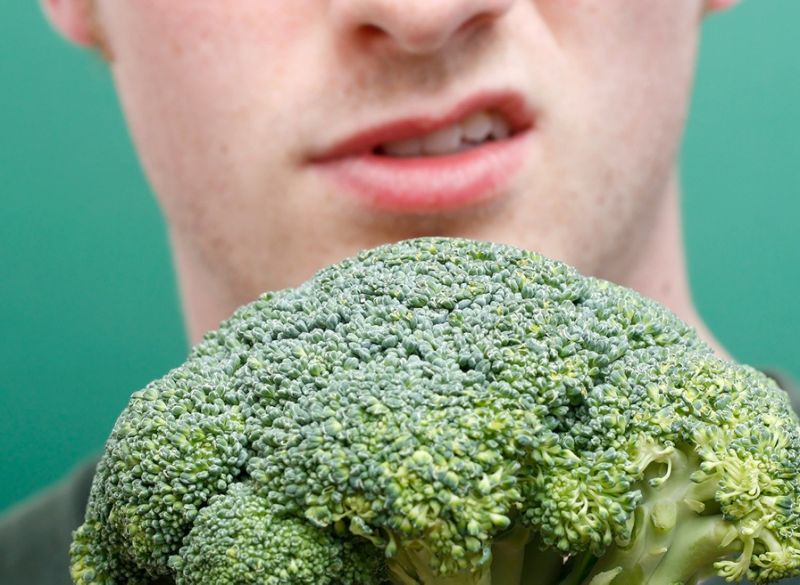
This list consists also of fibrous foods such as cauliflower, broccoli, carrots, cucumber, zucchini, squash, gourd, aubergine, corn, brussel sprouts, and many more. They can make you feel full and energized with only a few calories to count. Furthermore, they employ the same mechanism as green leafy vegetables in their thermic effect. Similarly, they also contain the essential vitamins and minerals that we need; preventing onset of symptoms due to nutritional deficiencies.
Legumes
Black beans, black-eyed peas, lentils, pinto beans, chickpeas, kidney beans, many more beans! They may be known as vegetables but they are mostly consisting of protein instead of carbohydrates. As we know, protein is the nutrient with the most percentage of thermogenesis when eaten. They also contain fiber and resistant starch (starches resisting digestion equals more energy expended) which adds to the thermic effect. Beans are recommended to be served as a side dish at least once a day because they are also rich in vitamins and minerals. Moreover, they contain little to no fat or cholesterol, which makes them a good staple to the dinner plate.
Fruit
Apples & Pears
Fruits are always good alternative snacks to candy bars, chips, or soda. They can also be eaten on the go but provide way much less calories than a bagel or donut. Apples and pears contain simple carbohydrates called fructose that can easily be used by the body for energy. Compared to a cup of coffee, apples and pears can also give energy for a longer time without the extra calories or caffeine crash.
They don’t raise the core temperature much because they are simple carbohydrates that are easily digested, but they still contribute to the thermic effect caused by carbohydrates and fiber, both of which they contain. More importantly, apples and pears are easy attainable sources of vitamins and minerals that we need for normal body processes.
Vitamin C Rich Fruits
Ascorbic acid is the vitamin needed for good resistance to infections and absorption of iron. Oranges, berries, lemons, tangerines, grapefruit, pineapples, and tomatoes are only a few examples of Vitamin C rich fruits that is ideally a part of the daily diet. These fruits also raise the core temperature of the body because of the energy needed to digest them, but also provides energy and vitamins that can help you do away with supplements.
Other Fruits
If you can think of any other fruit that was not mentioned above, chances are they still contain a lot of vitamins and minerals as well as long-lasting energy that cannot be found in most processed snacks. For most people aspiring for weight loss, replacing unhealthy snacks or drinks with fruit that are just as satisfying but less calorie-dense is an effective strategy.
Protein
As well know so far, protein is the greatest contributor to energy released as heat from food or Thermic Effect of Food. In this list, we will take into account the individuality of these protein sources in terms of other nutrition and weight-loss benefits.
Chicken
Chicken contains a low-percentage of fat compared to beef, pork, or veal. For a single chicken leg, it already contains 8g of protein but only 1g of fat, approximately. Chicken is ideal for low-fat dieters with no desire to pursue the vegan or vegetarian lifestyle. Essentially, a chicken sandwich with whole wheat bread, chicken breast, lettuce, and tomato contains both fiber and protein, which greatly contribute to the thermic effect.
Turkey
Turkey offers a large amount of protein (30g) for 3.5 ounce portion and only 1.5 gram of fat. When served with other thermic foods, it can really help weight-loss efforts and also build muscle.
Lean Red Meat
Lean red meat is one of the top sources of protein among all meats providing 16g of protein and only 2g fat for every 60g of pure meat. Who said weight loss involved cutting out the good things in life? Eating lean red meats not only decrease your risks for obesity and cardiovascular diseases, the rich protein source can help you lose weight by raising the core temperature of your body. Examples of red meat are pork tenderloin, lamb chops, filet mignon, sirloin tip steak, bottom round, and many more cuts of meat you can think of. Remember that the key to consistent weight loss without cutting out the things you like from your diet is moderation, and doing away with the gravy.
However, when eating lean red meats, there is still a risk for overconsumption of cholesterol.
Game Meats
Game meats such as buffalo, venison, deer, elk, bison, and others can be tougher in texture than other meats because of increased muscle movement of the animal. Nevertheless, game meats contain lower amount of cholesterol and higher amount of polyunsaturated fatty acids (good fat), which can be an alternative to domesticated animal meat for those aspiring to lose weight. Protein content of game meat is also significant and contributing to thermogenesis.
Fish
Another reason to load up on sushi. Fish contain less amount of protein and fat than meats which means you can eat more fish for the same amount of protein and fat in other meats. Other than its thermic effect due to protein, fish contain essential fatty acids that cannot be made by the body, which entails their presence in the diet. You may have heard of these fatty acids, which are called omega-3 and omega-6. EFAs are needed for normal functioning of the body and prevention of many major diseases.
However, eat fish in moderation, like any other food, because they can still contain cholesterol which can lead to other nutrition-related problems.
Other Seafood
Fat content of shellfish and crustaceans vary depending on the species, but protein content remains rich. Lobsters, clams, shrimp, crab, scallops, oysters, and others contain a limited amount of calories and are generally low in total fat and saturated fat. In moderation, seafood is a good weight-loss food for non-vegans.
Eggs
Chicken and duck eggs have moderate amount of fat and cholesterol. This is why it is recommended to only eat one piece per day because one egg already has 8g of protein, 6g of fat, and 86 calories. If you want to lose weight, do away with the double serving of scrambled eggs or eat only the whites, which contains less fat and cholesterol than the yolk.
Miscellaneous Other Foods
Dairy Products
What are the characteristics of dairy? Dairy products are rich in protein, carbohydrates, and fat. The levels of these nutrients depend upon the type of dairy you are eating. As we’ve said before, protein-rich foods have the biggest percentage of thermic effect and helps the body naturally lose weight. Moreover, the fat content in dairy helps with satiety, which is the feeling that prevents you from eating again.
Of course, some dairy products are high in fat and if you want to lose weight, you must choose your dairy sources wisely. Some of the best dairy sources that are low in fat but high in protein are cottage cheese, low-fat milk, low-fat Greek yogurt, cottage cheese, yogurts, low-fat cream cheese.
Yogurt
Yogurt is one of the best diet foods there is. As aforementioned, yogurt has a high protein content and very low fat content, which helps in the thermic effect. About half a cup of plain yogurt can already give you 8g of protein and only minimal amounts of fat. However, the best part of yogurt is the presence of live microorganisms which help the GIT digest the food more easily and efficiently, which will help motility. When trying to lose weight, incorporate yogurt into the diet for good digestion without much of the extra calories.
Coconut Oil
Coconut oil is said to be more thermogenic than protein. Why? Because the medium-chain fatty acids you find in coconut oil stimulate your metabolism to a greater extent. Thus, when you replace most of your fat sources with coconut oil, you will be able to lose more weight due to its thermic effect. However, like most oils, its intake should be limited because it still provides about 100 calories per two teaspoons only.
Nuts
Nuts contain dietary fiber, protein, and fat. What have we learned so far? That this combination is a winner for thermogenesis! All of these substances present in nuts contain thermogenic nutrients, dietary fiber being the most thermogenic among the three. This is why nuts make a good pre-, in-between, and post-workout snacks; they provide energy and nutrients without being really bulky.
Mushrooms
Mushrooms are one of the vegetables that almost has zero calories and also boosts the metabolism. This is why it’s such a good substitute for meat in most dishes. Although it doesn’t provide much bulk or nutrients in the diet, it can replace higher-calorie foods in composite dishes, so you don’t feel quite the difference.
Ice Water
Most diet regimens will tell you to drink a lot of water while dieting. Why? Water will help your body digest your food and dilute your urine so that the GIT doesn’t have to work overtime. Water will also help you feel full, and staying hydrated is important while working out. However, ice water can help you lose weight because the body uses energy in order to lower that cold temperature into normal body temperature. So, you drink ice water, which has zero calories, and your body naturally expends calories on its own!
Green Tea
Teas contain caffeine and very little calories, except when you add milk or sugar. It can help increase metabolism as well as motility, which can help shed off the extra pounds, as studies have shown. A cup of green tea per day can help oxidize fats and melt them off, especially when paired with proper exercise. However, don’t be so quick to add milk and sugar (Remember: sugar is 20 calories per teaspoon and milk is high in fat and calories!). It’s still preferable to enjoy your green tea the natural way.
Conclusion
All foods have a thermic effect on the body, but some have more of this so-called thermic effect than others. Protein has the most, carbohydrates come second, and fat comes last. Depending on the food we eat, we can raise our body’s core temperature and help our body expend extra energy, which helps us lose weight because energy=fat or carbohydrate stores. Expending energy from fat and carbohydrate stores is good for weight loss, but expending energy from the protein in muscle stores is a no-no, even if you’re desperate to lose weight.
A balanced diet is vital to weight loss and creativity is the key. Here is a list of top ten tips for meal planning and weight loss regimen:
1. Choose foods with moderate amounts of protein and carbohydrates and minimal amounts of saturated fat.
2. Use spices to increase its thermogenic effect. (But easy on the salt)
3. Eat an adequate amount of fiber-rich foods to aid digestion as well as to make sure vitamin and mineral intake is sufficient.
4. Select low-calorie foods to substitute high-calorie foods, especially for snacks.
5. Drink lots of ice cold water, especially before, during, and after exercise. Be sure to get at least 8 glasses in everyday
6. Exercise regularly for at least 60-90 minutes a day, for 5 days a week. Make sure to combine aerobic exercise and strength training.
7. Avoid junk food, fast food, and convenience foods that are very nutrient-dense. Choose fresh foods instead.
8. Learn to control your appetite without depriving yourself. Indulge with your favorite food here and then, but don’t overdo it. Remember, it’s all about reforming your sense of control.
9. Get a weight-loss buddy or join a weight-loss or fitness enthusiasts group.
10. Keep a food diary. This way, you can monitor what you’re eating and see if you’re eating enough, too little, or too much.
This article featured a list of the most thermogenic foods and why they cause this effect. When on a weight loss regimen, you can modify your diet by substituting some of these foods with the foods in your diet that are not as thermogenic, without depriving yourself of the nutrients you need. Because, reiterating what was said before, weight loss is best without starvation and especially without fad diets.
By : HomeGymR
http://homegymr.com/thermogenic-foods-list/