Many people get confused by Carbs and the differences between the simple and complex varieties. This Ted Talk does a great job of explaining them. Let me know what you think and leave a comment below.


Showing posts with label Diet. Show all posts
Showing posts with label Diet. Show all posts
Tuesday, 21 February 2017

Tuesday, 7 February 2017
Zinc Deficiency, Immune Response & Inflammation
Zinc is where it’s at!

Zinc has a long history known as the mineral of the immune system. New research from Oregon State University demonstrated that it appears to affect how the immune system responds to inflammation. A zinc deficiency may play a role in chronic diseases that involve inflammation, such as cardiovascular disease, cancer and diabetes. I see this deficiency frequently on plasma zinc levels on my patients with autoimmune disease.
 When zinc is removed, the cells that control inflammation activate and respond differently in a way that causes the cells to promote more inflammation, according to Emily Ho, a professor and lead author of the study.
Zinc is an essential micronutrient required for many enzyme and body functions. It is essential for growth and physical development, and for the metabolism of proteins, fats, and carbohydrates. Zinc is also vitally important to the immune system. Practically every enzyme reaction in the brain involves zinc, and so does the development and function of the central nervous system.
When zinc is removed, the cells that control inflammation activate and respond differently in a way that causes the cells to promote more inflammation, according to Emily Ho, a professor and lead author of the study.
Zinc is an essential micronutrient required for many enzyme and body functions. It is essential for growth and physical development, and for the metabolism of proteins, fats, and carbohydrates. Zinc is also vitally important to the immune system. Practically every enzyme reaction in the brain involves zinc, and so does the development and function of the central nervous system.

 When zinc is removed, the cells that control inflammation activate and respond differently in a way that causes the cells to promote more inflammation, according to Emily Ho, a professor and lead author of the study.
Zinc Deficiency and Inflammation
Approximately 12% of people in the US do not consume enough zinc in their diets, and this number is closer to 40% in those over 65 years of age. In older adults it is most likely a combination of eating fewer zinc-rich foods (meat and shellfish such as oysters) and malabsorption issues.
In this study, researchers examined the relationship between zinc deficiency and inflammation. They concluded that a zinc deficiency induced an increase inflammatory response in the cells. For the first time, researchers were able to show that reducing zinc caused improper immune cell activation and dysregulation of cytokine IL-6.

The researchers also compared zinc levels in young and old living mice. The older mice had low zinc levels that corresponded with increased chronic inflammation and decreased IL-6 methylation, which is an epigenetic mechanism that cells use to control gene expression. Decreased IL-6 methylation was also found in human immune cells from elderly people.
This research suggests a potential relationship between low levels of zinc and increased inflammation that can occur with age. Thus, a zinc deficiency may be a bigger health concern than many people realize, especially in older populations.

Saturday, 4 February 2017
10 CRAZIEST Diet Trends EVER
What do you think of these 10 Crazy diet trends? Leave a comment below if you have tried any of these or any others you think should be added to this list?
Tuesday, 31 January 2017
The Science of Amazing Abs

Overview
Carving out a great six-pack isn’t an easy feat—which is too bad, since virtually every person I’ve ever met wants a defined set of abs.
But too many people view six-packs as a kind of fitness status symbol, reserved for the genetic elite or those who spend more time in the gym than they do in their own home. And that’s simply not the case.
Yes, your genetics and diet influence just how much muscle definition you have around your midsection. But the good news is that everyone has abs—regardless of how well you can see them. And that means that everyone can build better abs.
You might have to relearn a few things, but by incorporating the principles below and trying some new exercises, you can build stronger, better abs than ever before.
Your Abs Have More Than One Purpose
Ever wondered why sit-ups became such a popular exercise? It’s because most anatomy books state that the purpose of your abdominal muscles is to flex your spine. As a result, people think that by creating a “crunch” type movement, you’ll build your abs the way nature intended.
Unfortunately, most anatomy books are “at least 35 years out of date,” according to Mark Comerford, a researcher, physical therapist and founding director of Kinetic Control, a consulting agency that assists physiotherapists. He says that, while your abs do flex your spine, that’s just a small part of their duty. Your abdominal muscles also…
* Create movement: Let’s say you’re standing upright, and then you bend forward at your waist as fast as you can, as if you’re a boxer ducking a punch. When you do so, you’ll feel your abs activate; since you’re moving faster than the speed of gravity. Your abs will kick in to propel your torso downward.
* Counterbalance movement: Ok, now pretend that you’re standing upright again, this time with your hands on your belly. If you were to start leaning backwards, you’ll again feel your abs activate, but this time in a different way. Your abs are doing the opposite of what anatomy books tell you. Rather than flexing your spine, those muscles are fighting the extension of your spine to keep you from falling over.
* Resist movement: All right, last example. You’re again standing upright, but with your arms reaching straight out in front of you at shoulder-level, with your hands locked together. Let’s say a friend tried to push your arms to one side, but you didn’t want to move. How would you resist their efforts? Your abs. Your core would activate to keep your arms pointing straight ahead.
It’s important to do exercises that will work your abs in all of these different ways to protect your body from injury and reveal the lean body you desire.
Crunches Aren't the Enemy

Crunches fell out of fashion in recent years, as fitness experts and rehab professionals began speaking out against the exercise. Most cited the work of Stuart McGill, Ph.D., a respected spine researcher who found indications that doing too many crunches can cause serious damage your back. His theory: Because they require you to flex and bend your spine, performing these exercises often could cause a person’s spinal discs to push out too far, which could result in a herniated disc.
But the truth is that claims about crunches are highly debated. Carl DeRosa, Ph.D., the author of Mechanical Low Back Pain & Mechanical Neck Pain, says that your body position isn’t responsible for putting pressure on your discs – it’s how tightly you’re squeezing (or compressing) your muscles that has the biggest impact. Other experts like spinal researcher Michael Adams, Ph.D, say that a person’s discs can actually strengthen (like your muscles) and potentially become more resilient to injury as a result of doing abs exercises like crunches properly.
The bottom line: If you have a disc-related injury, crunches might not be the best exercise for you. But for healthy athletes, a few sets (not hundreds of reps) of well-performed crunches can help activate your abs. Performing crunches on a Swiss Ball or BOSU Trainer is exercise safer than floor crunches because they offer more support. Added bonus: Since you’re on a round surface, you also have a greater range of motion.
1. Weighted Crunches on a Ball or BOSU - Position a BOSU ball on the floor with the dome side up. Lie face-up with your lower back supported on top of the dome, with your feet flat on the floor and your knees bent about 90 degrees. Hold a weight plate (or dumbbell) in front of your chest. Raise your head and shoulders and “crunch” your rib cage toward your pelvis. Hold, and then return to the starting position. Perform 2-4 sets of 6-12 reps.
Full-Body Exercises Help Build Six-Pack Abs

Almost every movement you do works your abs in some capacity—especially if you’re standing. Press a weight overhead, your abs engage. Stand on one leg, your abs are working. Struggle during a tough exercise and “cheat” a little on your form—yep, you’ll probably feel your abs coming to the rescue.
These non-abs specific movements hit your midsection indirectly by working your “core” muscles, which are different from your abs. (Your core encompasses your entire torso, including your chest, glutes, back, and even neck muscles.) The following six movements work your core and help your abs “pop,” too.
2. Push-Ups: Everyone knows that planks are killer abs exercises. Push-ups are essentially planks crossed with a bench press, so you can strengthen your six-pack and build your chest. Start in the push-up position, with your arms slightly out in front of you and your elbows near the side of your body. Keeping your back straight and abs tight, lower your body until it almost touches the floor. Pause, then push yourself back up into the starting position.
3. One-Arm Push-Ups: This exercise is the king of upper-body pushing exercises, hitting every muscle that regular pushups hit while placing extra emphasis on your abs and obliques. Start in the pushup position but put one hand behind your back. Your other arm will be slightly out in front of you, with your elbow near the side of your body. Keep your legs wide (the wider they are, the easier the exercise). Lower your body down until your torso almost touches the floor. Pause, then push yourself up to the starting position.
4. Standing One-Arm Cable Press: If one-arm pushups are too advanced for you, standing single-arm cable presses are the next best thing. Like the one-arm push-ups, the exercise strengthens your upper body, abs and obliques. Holding a cable in one hand, step out so that one foot is in front of you and the other leg is bent behind you. Lean forward slightly, pick your back heel off the ground, and tuck your elbow in. Drive the cable in your hand forward, pressing with your shoulder. Return quickly to the starting position and repeat.
5. Cable Chops: Stand with your feet shoulder-width apart and your abs braced. Grab a cable in one hand and pull it across your body. Then turn your shoulders and hips, as if you are swinging a bat. You have three options for the motion: high to low, low to high, or you can press horizontally, from the shoulder level. For best results, mix them up.
6. Offset Dumbbell Lunges: These lunges are a great way to work your obliques. Stand up straight with your feet shoulder-width apart and grab a heavy dumbbell in one hand. Take a step forward with one leg and lower your body until your knee is bent at a 90 degree angle. Then step forward with your other leg to return to the starting position. Take a step forward with the opposite foot and repeat the movement. Continue this pattern as you walk across the floor.
7. Tight Rotations: This body-weight movement is a relatively new exercise, but just as effective as the classics. Stand up straight with your feet shoulder-width apart with your arms straight out in front of you and hands locked together. Rotate your arms and torso as quickly as you can from left to right, keeping the movement between your feet – your shoulders shouldn’t extend past your left or right foot. Move your hips with your shoulders.
But You Still Need Ab-Specific Training
While nearly every exercise works your abdominal muscles in some way, the benefits of these movements are limited. Most only test the stability of your abs. They don’t develop other aspects of ab strength, like the ability to initiate movement.
That’s why doing targeted abs movements is so important. Abs-specfic exercises allow you to strengthen your midsection completely, helping you build an impressive six-pack that’s built to move. And perhaps the best way to strengthen your abs is to do Swiss-Ball Pike Rollouts. A 2010 study in the Journal of Orthopaedic & Sports Physical Therapy found that both the Ball Pike and Ball roll Out exercises were the most effective way hit your upper abs, lower abs, and obliques all at once.
8. Swiss-Ball Pike Rollouts: Start in a pushup position with your hands on the floor and shins resting on top of a Swiss Ball. Your hands should be shoulder width apart, with your back kept straight. To start the exercise, tighten your core muscles and pull your legs in towards your arms, lifting your hips in the air. Pause at the top of the rep and hold for 1-2 seconds. Then lower yourself back down to the starting position, sliding your legs back over the ball until your arms are extended out in front of you. Remember to keep your abs braced and your back straight throughout the movement. Perform 2-4 sets of 6-12 reps.
By :
Monday, 30 January 2017
12 Healthy Lunches Registered Dietitians Eat To Stay Energised
When it comes to healthy lunch recipes, registered dietitians know a thing or two—as crazy busy people, they've all got stashes of tasty, filling meal ideas that they rely on to keep them fueled all afternoon.
"Mid-day is when we need energy and nutrients the most! That’s when most of us are the busiest and most productive—at work, at school, or at home," says Jennifer O’Donnell-Giles, M.S., R.D., C.S.S.D. Remember, the brain and body require nutrients in order to function at peak levels, she explains. So whether you're in a lunch rut or are just looking for some healthier options to power you through the day, take note of these 12 go-to lunches that registered dietitian nosh on.
1. Avocado Toast With Poached Eggs

— Keri Gans, M.S., R.D., author of The Small Change Diet
2. Southwestern Salad
"Toss a couple cups of romaine, carrots, cucumber, and tomatoes, then top with ¼ of an avocado. Mix a couple tablespoons of plain Greek yogurt with a couple tablespoons of salsa and some chopped fresh cilantro to make the dressing. And finish by topping with ½ cup black beans (hot or cold). I love this lunch because it is quick and easy to assemble. It’s also full of flavor and super healthy since it is packed with veggies!"
— Sarah-Jane Bedwell, R.D., L.D.N.
3. Hummus Wrap
"One of my easiest, go-to quick lunch recipes to throw together is a simple hummus wrap. Spread a generous amount of hummus on a whole-wheat wrap and add all-natural, nitrate-free deli turkey with as many veggies as possible! Paired with an ounce of nuts, like walnuts or almonds, and a piece of fresh fruit, this lunch is easy to assemble and portable. The hummus gives the wrap the perfect base and consistency so there is no need to add any type of mayonnaise, dressings, or cheese. And it keeps you full all afternoon."
— Emily Cope-Kyle, M.S., R.D. owner and consulting dietitian at EmilyKyleNutrition.com
4. Warm Veggie Bowl With Quinoa Or Sweet Potatoes
"I love eating vegetables at lunch, but don’t always want them cold in a salad. I make my version of a 'nourish bowl' by throwing in multiple colors of veggies, sliced raw sweet potatoes or cooked quinoa, cubed firm tofu (or salmon, tuna, or grilled chicken), a dollop of hummus, and some sliced avocado into a microwave-safe container. Cook for about five to seven minutes, or until all of the veggies are tender, and enjoy! Hot hummus sounds weird, but it’s pretty delicious. This lunch option is great because it’s packed with fiber, protein, healthy fats, and tons of different vitamins and minerals. It’s so versatile because you can mix and match the veggies, grains, and protein."
— Lindsey Pine, M.S., R.D., owner of Tasty Balance Nutrition
5. Easy Tasting Plate
"I love to make a snack platter—it’s quick to assemble and fun to eat. I’ll have a couple of tablespoons of hummus with veggies (like sliced mushrooms, carrot sticks, and grape tomatoes) for dipping. Then I’ll pair with fruit, such as half of a Sweet Scarlett, which is a sweeter, yet still tart grapefruit that’s in season right now. I’ll also add cheese, whole-grain crackers, and olives to my plate. The meal provides protein from the cheese and hummus, healthy fats from the olives, and fiber from the veggies and fruit."
— Amy Gorin, M.S., R.D., owner of Amy Gorin Nutrition
6. Fruit And Veggie Salad
"[I go for] a big salad with mixed greens or spinach. I like to make sure I top it with at least one fruit, one vegetable, and a protein. A good combination is strawberries, cucumbers, and nuts or sliced egg. If I'm feeling fancy, I will also add a sprinkle of goat cheese or feta. For dressing, I just drizzle balsamic vinegar, olive oil, and pepper on top. When I'm extra hungry, I will eat it with a piece of whole-grain bread or whole-grain crackers. This is a balanced meal because it includes foods from all food groups, it's low in saturated fat, and it's packed with high-antioxidant fruits and veggies."
— Heather Mason, M.S., R.D.
7. Grilled Chicken Wrap

— Jennifer O’Donnell-Giles, M.S., R.D., C.S.S.D.
8. All-In-One Salad
"My favorite lunch is an all-in-one salad. I try to hit all of the food groups (carbs, protein, and fat), plus all of the major textures, like crunchy nuts and veggies, creamy cheese or roasted vegetables, and crisp greens. The more flavor variety, the better! The more diversity I can get into my bowl, the healthier and more satisfied I feel. [I like to make] mixed greens with carrots and peppers, blue cheese, and smoked salmon."
– Kath Younger, R.D., blogger at Kath Eats Real Food
9. Spaghetti Squash With Grilled Chicken And Pesto
"Simply roast a spaghetti squash in the oven, use a fork to scrape out the cooked squash, and then combine it with grilled chicken and jarred pesto at lunch time. Bonus: it can be eaten hot or cold! This is a great option because it has healthy carbs that keep you from crashing mid-afternoon, and protein and fat from the chicken and pesto that help keep you full all afternoon."
— Kalee Lundmark, M.S., R.D., blogger at The Crowded Table
10. Lettuce Wraps

— Jenny Beth Kroplin, R.D., L.D.N., C.L.C.
11. Farro Bowl
"Combine ½ cup cooked farro, ½ can white beans (rinsed and drained), one to two cups of veggies like broccoli or roasted peppers, a teaspoon of olive oil, and a little fresh ground pepper. This is a great lunch as you get a lot of fiber, plant-based protein, healthy fat, and whole-grain carbohydrates. This meal will keep you full for hours while stabilizing your blood sugar and energy levels."
— Alissa Rumsey, M.S., R.D., spokesperson for the Academy of Nutrition and Dietetics
12. Tuna Avocado Salad
"A favorite lunch, especially when I don’t have a lot of time, is a tuna avocado salad. It's a quick assembly meal packed with protein, healthy fats, vitamins, and flavor. I'll start with a can of albacore tuna and add ripe avocado instead of mayo. Depending on what I have on hand, I'll mix in chopped veggies (like red onions and celery) and sometimes chopped fruit (like apples or grapes). For seasoning, I'll add Dijon mustard, cumin, maybe dill, and salt and pepper. I'll top the tuna-avocado mixture on leafy greens and make an olive oil and balsamic vinegar dressing."
— Patricia Bannan, M.S., R.D.
By Alexa Tucker
http://www.self.com/story/12-healthy-lunches-registered-dietitians-eat-to-stay-energized
By Alexa Tucker
http://www.self.com/story/12-healthy-lunches-registered-dietitians-eat-to-stay-energized
Thursday, 26 January 2017
Warning: Running a Marathon Can Seriously Harm Your Health
Have you ever noticed that the marathon runners in the Olympics look like concentration camp victims?

Have you ever wondered why marathons are considered “healthy” in our society yet the first man that ever ran one collapsed and died immediately after?Yeah, and Pheidippides was fit too, likely selected for his job as a herald due to his speed and distance running ability – not some ancient Greek version of the modern couch potato.
While life may be a marathon your training program should not be. Running a half or whole marathon or competing in a triathlon are all admirable goals. But there are many dangers associated with excessive endurance training.
Dating as far back as the 1970’s, the misconception of mainstream training philosophies that 45 minutes to an hour or more a day of intense aerobic activity has led to an overtrained, unfit, immune-compromised exercising population.
Man was not designed for movement at a chronically sustained high intensity aerobic pace. We’ve all seen it in the local globo gym–day in and day out, week after week Jane and John plod away on the treadmills and ellipticals or pedal themselves into exhaustion in spin classes. It has done nothing to shed the extra fat on their butts and guts let alone tone them. I have never been impressed by any of these results.

What exactly are the problems caused by training for long periods of times at high intensities such as what occurs during a marathon? Several things. . .
- Debilitating osteoarthritis . . . at young ages
- Permanent scarring of the heart muscle
- Weakening of the thyroid and adrenal glands
- Tendonitis and other repetitive strain injuries
- Recurrent upper respiratory infections
- Increased oxidative damage (free radical production)
- Decreased fat metabolism
- Susceptibility to injury
- Loss of bone density
- Depletion of lean muscle tissue
- Coupled with the common high refined carbohydrate intake promotes a dangerous level of continuous systemic inflammation.

Eeek! Sounds like a workout gone very bad to me and the sad part is the intentions of this exercising population are good; they are doing this all in the name of “health.”–they are not out to destroy it.
Aside from the disastrous results mentioned above why is high intensity aerobic pursuit such a dead end? One reason is the high level of carbohydrates consumed needed to sustain this activity leads to chronic inflammation. You’ve all seen it–Sally and Johnny are running a 5 K so they load up on a big bowl of pasta the night before and chow down on bagels and juice immediately after their 36 min 5 K. Type 2 here we come.
But quite simply because man was not designed (evolved) to work like this; we have 2 primary energy systems to power our muscles. The first relies on the slow burning of fats keeping us fueled while at rest yet allowing for continuous low level aerobic activity such as walking, gardening and day to day physical tasks. Fat is a very efficient fuel, stored and burned easily and cleanly when lots of oxygen is present
 Our second primary energy system that evolved is an ATP fueled system that allows us to do intense loads of work in shorts bursts. It is our high octane fuel. Think of the woman that lifts a car off her child trapped beneath it. Or the person that sprints after a mugger to get their wallet back. In other words all out effort for fewer than 20 seconds; flight or fight and life or death tasks and situations.
Our energy systems are far more complex than that but it boils to the fact that we were evolved to either move slowly and steadily or briefly and fast and we become both healthier and stronger by exercising and living in this manner.
All being said there are still people out there that want to run a half or whole marathon or a triathlon and there is a better and smarter way to train for it while avoiding the negative risks mentioned above. The days of logging mileage in excess of 20+ a week are rapidly becoming archaic. And so is the weak and skinny appearance of the stereotypical endurance athlete.

Many are finding that by incorporating strength and conditioning workouts into their training routine along with shorter more interval based training they are improving speed, power and overall performance along with reducing injury potential. Not to mention having a lot more free time, fewer injuries and no long term scarring/damage to the heart.
This has been hotly debated but well documented in the past several years. Leading the pack in the defense is CF Endurance’s Brian MacKenzie www.crossfitendurance.com. His training has many top level endurance athletes setting personal records far above past efforts with a dramatic reduction in training time and mileage.
Fitness can and should be achieved without the need for pounding the pavement for miles on end, a huge daily time commitment, and a long list of extreme risks to health both short and long term.
by Paula Jager
Tuesday, 24 January 2017
6 Reasons to Love Mangoes
While they’re one of the most popular fruits in the world, mangoes are still considered exotic in the US. If you’re unfamiliar with all this fruit has to offer, read on to learn 6 surprising facts that might make you mad for mangoes.

1. Mangoes may help whittle your middle
They may seem more like a decadent dessert than a healthy fruit, but mangoes are diet-friendly. Because they’re naturally sweet, eating them can help quash your cravings for candy or other sugary foods. A one-cup serving of fresh mango has 100 calories, and because that same serving has three grams of filling fiber, you’ll feel fuller on fewer calories. In fact, mangoes are 83% water by weight, and research from Penn State University has shown that eating foods that have a high water content (and lower energy density) help to keep you fuller while eating less. In fact, one of their studies found that eating a piece of fruit before a meal reduced the calories consumed at that meal by 15 percent.
2. They pack a powerful nutrition punch
Bursting with over 20 vitamins and minerals, mangoes are loaded with good nutrition and health benefits. Just one cup provides 100% of our daily vitamin C needs, helping to strengthen our immune system, keep our teeth and gums healthy, and support collagen formation–hello, beautiful skin! Mangoes are also rich in fiber, a nutrient that helps you to fill up—not weigh you down.

3. Mangoes may temper inflammation
Mangoes contain several anti-inflammatory compounds, including vitamin C and beta carotene. And a recent study published in the journal of Molecular Nutrition & Food Research, found that mango has the potential to enhance the diet as a source of gallic acid and gallotannins which may possess anti-inflammatory and anti-carcinogenic properties.
4. They’re easier to cut and peel than you think
Stumped about the best way to slice a mango? Just place the fruit on the cutting board stem-end down and hold. Then, take a sharp knife and cut just off-center, about ¼ of an inch. Repeat on the other side so that you have two mango cheeks. Take the first half and cut parallel slices or a checkerboard pattern into the mango flesh, being careful not to cut through the skin. Scoop the slices or cubes out with a spoon. If you want smaller cubes for a recipe, simply make the cuts closer together. Easy!
5. Red doesn’t equal ripe
A red mango isn’t always a ripe mango! To know if it’s ready to eat, squeeze it gently. A ripe mango will give slightly. Like more familiar fruits, such as peaches and avocado, mangoes also become softer as they ripen. If a mango is firmer than desired, set it on the countertop, where it will continue to ripen. To speed up the process, place mangoes in a paper bag at room temperature. Once ripe, mangoes can be stored in the refrigerator for up to 5 days.

6. Fresh mangoes are available year-round
Good news – whether you need your mango fix in June, December or any month of the year, you’ll likely be able to find at least one of the six main varieties. Each variety has a unique flavor and texture, so try different ones throughout the year.
So, consider adding mangoes to your fruit line-up – there’s no limit to how you can use them. You can whip up a tropical mango salsa to use as a topper for grilled fish, create a crab-mango crostini hors d’oeuvre, mix with low-fat yogurt and ice cubes for a refreshing smoothie, treat yourself to a light and delicious mango sorbet or slice this versatile fruit into thin strips and roll with a slice of deli meat. You can also purée mango and drizzle over grilled chicken or fish for a splash of color and blast of vitamins and minerals—the possibilities are endless!
By Katherine Brooking
Sunday, 22 January 2017
Why Sleep Is the No. 1 Most Important Thing for a Better Body
Even with the very best diet and fitness routine, if sleep is off, you're wrecked.
Here's why!

Imagine two women you know: One is your model of fitness success (She clearly knows how to slim down correctly and has the body to show for it), and the other is what you fear. This friend has her heart in the right place, but no matter how hard she works, she still struggles with the process and doesn’t have the body she wants. The troubling part is that when you talk to both, they share a common approach:
1. They eat meals that focus on lean protein and vegetables.
2. They exercise at least three times per week, focusing on both weights and cardio.
3. They know which foods are truly healthy and which they need to limit—and they do.
2. They exercise at least three times per week, focusing on both weights and cardio.
3. They know which foods are truly healthy and which they need to limit—and they do.
And yet one friend—the one who continues to struggle—can’t maintain her focus. She has trouble controlling her hunger, always craves sweets, and, despite her biggest efforts in the gym, she doesn’t seem to achieve the same results as someone else following the same program.
The problem might seem obvious at first. After all, one woman strays from her diet more than the other. And if exercise “isn’t working,” it probably means she just doesn’t really know how to train.
Maybe it’s genetics. Maybe she’s lazy or lacks willpower. Or maybe, diet or exercise isn’t the real problem.
Sleep Controls Your Diet
The debate about the best way to achieve a healthy weight always revolves around eating and movement. If you want to look better, the most common suggestion is “eat less and move more.” But it’s not that simple, or even accurate. Sometimes you want to eat less and move more, but it seems impossible to do so. And there might be a good reason: Between living your life, working, and exercising, you’re forgetting to sleep enough. Or maybe, more importantly, you don’t realise that sleep is the key to being rewarded for your diet and fitness efforts. According to the Centers for Disease Control and Prevention, more than 35 percent of people are sleep deprived. And when you consider that the statistic for obesity is nearly identical, it’s easy to connect the dots and discover that the connection is not a coincidence.
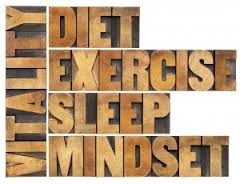
Not sleeping enough—less than seven hours of sleep per night—can reduce and undo the benefits of dieting, according to research published in the Annals of Internal Medicine. In the study, dieters were put on different sleep schedules. When their bodies received adequate rest, half of the weight they lost was from fat. However when they cut back on sleep, the amount of fat lost was cut in half—even though they were on the same diet. What’s more, they felt significantly hungrier, were less satisfied after meals, and lacked energy to exercise. Overall, those on a sleep-deprived diet experienced a 55 percent reduction in fat loss compared to their well-rested counterparts.
Poor Sleep Changes Your Fat Cells
Think about the last time you had a bad night of sleep. How did you feel when you woke up? Exhausted. Dazed. Confused. Maybe even a little grumpy? It’s not just your brain and body that feel that way—your fat cells do too. When your body is sleep deprived, it suffers from “metabolic grogginess.” The term was coined by University of Chicago researchers who analysed what happened after just four days of poor sleep—something that commonly happens during a busy week. One late night at work leads to two late nights at home, and next thing you know, you’re in sleep debt.
But it’s just four nights, so how bad could it be? You might be able to cope just fine. After all, coffee does wonders. But the hormones that control your fat cells don’t feel the same way.
Within just four days of sleep deprivation, your body’s ability to properly use insulin (the master storage hormone) becomes completely disrupted. In fact, the University of Chicago researchers found that insulin sensitivity dropped by more than 30 percent.
Here's why that's bad: When your insulin is functioning well, fat cells remove fatty acids and lipids from your blood stream and prevent storage. When you become more insulin resistant, fats (lipids) circulate in your blood and pump out more insulin. Eventually this excess insulin ends up storing fat in all the wrong places, such as tissues like your liver. And this is exactly how you become fat and suffer from diseases like diabetes.
Lack of Rest Makes You Crave Food
Many people believe that hunger is related to willpower and learning to control the call of your stomach, but that's incorrect. Hunger is controlled by two hormones: leptin and ghrelin.
Leptin is a hormone that is produced in your fat cells. The less leptin you produce, the more your stomach feels empty. The more ghrelin you produce, the more you stimulate hunger while also reducing the amount of calories you burn (your metabolism) and increasing the amount fat you store. In other words, you need to control leptin and ghrelin to successfully lose weight, but sleep deprivation makes that nearly impossible. Research published in the Journal of Clinical Endocrinoloy and Metabolism found that sleeping less than six hours triggers the area of your brain that increases your need for food while also depressing leptin and stimulating ghrelin.

If that’s not enough, the scientists discovered exactly how sleep loss creates an internal battle that makes it nearly impossible to lose weight. When you don’t sleep enough, your cortisol levels rise. This is the stress hormone that is frequently associated with fat gain. Cortisol also activates reward centers in your brain that make you want food. At the same time, the loss of sleep causes your body to produce more ghrelin. A combination of high ghrelin and cortisol shut down the areas of your brain that leave you feeling satisfied after a meal, meaning you feel hungry all the time—even if you just ate a big meal.
And it gets worse.
Lack of sleep also pushes you in the direction of the foods you know you shouldn’t eat. A study published in Nature Communications found that just one night of sleep deprivation was enough to impair activity in your frontal lobe, which controls complex decision-making.
Ever had a conversation like this?
“I really shouldn’t have that extra piece of cake… then again, one slice won’t really hurt, right?”
Turns out, sleep deprivation is a little like being drunk. You just don’t have the mental clarity to make good complex decisions, specifically with regards to the foods you eat—or foods you want to avoid. This isn’t helped by the fact that when you’re overtired, you also have increased activity in the amygdala, the reward region of your brain. This is why sleep deprivation destroys all diets; think of the amygdala as mind control—it makes you crave high-calorie foods. Normally you might be able to fight off this desire, but because your insular cortex (another portion of your brain) is weakened due to sleep deprivation, you have trouble fighting the urge and are more likely to indulge in all the wrong foods.
And if all that wasn’t enough, research published in Psychoneuroendocrinology found that sleep deprivation makes you select greater portion sizes of all foods, further increasing the likelihood of weight gain.
The bottom line: Not enough sleep means you’re always hungry, reaching for bigger portions, and desiring every type of food that is bad for you—and you don’t have the proper brain functioning to tell yourself, “No!”
Sleep Sabotages Gym Time
Unfortunately the disastrous impact spreads beyond diet and into your workouts. No matter what your fitness goals are, having some muscle on your body is important. Muscle is the enemy of fat—it helps you burn fat and stay young. But sleep (or lack thereof) is the enemy of muscle. Scientists from Brazil found that sleep debt decreases protein synthesis (your body’s ability to make muscle), causes muscle loss, and can lead to a higher incidence of injuries.

Just as important, lack of sleep makes it harder for your body to recover from exercise by slowing down the production of growth hormone—your natural source of anti ageing and fat burning that also facilitates recovery. This happens in two different ways:
1. Poor sleep means less slow wave sleep, which is when the most growth hormone is released.
2. As previously mentioned, a poor night of rest increases the stress hormone cortisol, which slows down the production of growth hormone. That means that the already reduced production of growth hormone due to lack of slow wave sleep is further reduced by more cortisol in your system. It’s a vicious cycle.
If you're someone who doesn't particularly enjoy exercise, not prioritizing sleep is like getting a physical examine with your father-in-law as the investigating physician: It will make something you don’t particularly enjoy almost unbearable. When you’re suffering from slept debt, everything you do feels more challenging, specifically your workouts.
The Better Health Secret: Prioritise Sleep
The connection between sleep and weight gain is hard to ignore. Research published in the American Journal of Epidemiology found that women who are sleep deprived are a third more likely to gain 33 pounds over the next 16 years than those who receive just seven hours of sleep per night. And with all of the connections to obesity, diabetes, high blood pressure, heart failure, and cognitive failure, the need to sleep goes far beyond just looking better and seeing results from your diet and exercise efforts.
While there’s no hard number that applies to all people, a good rule of thumb is to receive between seven and nine hours of sleep per night, and to make sure that one poor night of sleep isn’t followed up with a few more. It might not seem like much, but it could make all the difference and mean more than any other health decision you make.
Subscribe to:
Posts (Atom)